Green Roof Design and Construction: Practical Insights for Sustainable Architecture
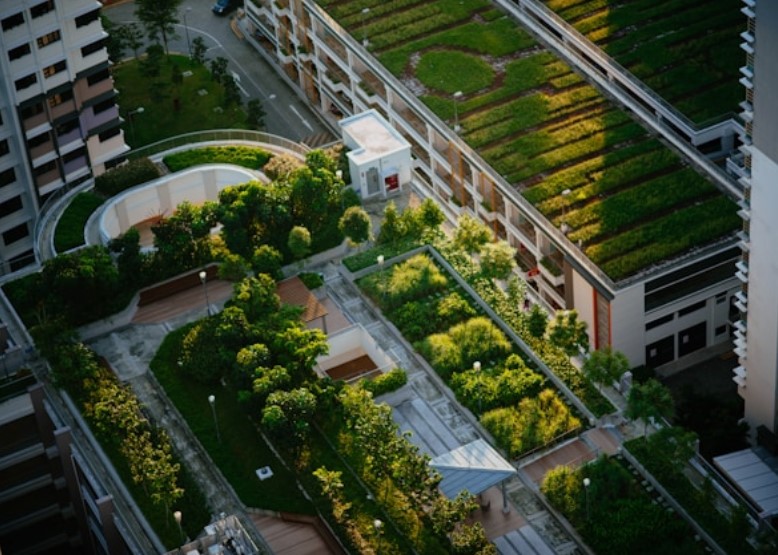
As of 2026, green roof systems are no longer experimental features—they are increasingly integrated into mainstream architecture. Cities are getting denser, temperatures are rising, and buildings are expected to perform better environmentally. In this context, green roofs offer a practical way to improve insulation, reduce heat, and introduce natural elements into urban environments.
After reviewing current architectural practices, I’ve found that combining concepts with durable materials and structured systems—such as those referenced in —creates solutions that are both functional and scalable. This article explores how green roofs work, where they fit, and what to consider when implementing them.
What Is a Green Roof and Why It Matters
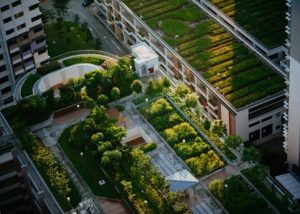
A is a roofing system that incorporates vegetation layers on top of a building structure. It typically includes waterproofing, drainage, soil substrate, and plant life.
The benefits are both environmental and practical:
- Reduced urban heat
- Improved insulation
- Enhanced stormwater management
- Increased building lifespan
In many cases, green roofs also contribute to better air quality and provide additional usable space.
From a design standpoint, they represent a shift toward integrating nature into built environments rather than separating the two.
Key Principles of Green Roof Construction
Successful depends on careful planning and layered design.
A typical system includes:
- Structural support to handle additional weight
- Waterproof membrane to protect the building
- Drainage layer to manage water flow
- Growing medium for plant support
- Vegetation suited to local climate
Each layer plays a critical role. If one component fails, the entire system can be compromised.
In my experience, the most common issues arise from poor drainage design rather than material failure.
The Role of Materials in Green Roofing Systems
Material selection is essential for long-term performance.
Modern projects often combine natural systems with engineered materials such as colorbond steel, which provides:
- Structural strength
- Corrosion resistance
- Long service life
Additionally, colorbond thermatech technology helps reflect heat, improving the thermal performance of the building beneath the green roof.
This combination of natural and engineered elements ensures that the system remains efficient over time.
Integrating Green Roofs into Urban Architecture
Urban environments benefit significantly from green roofing systems.
Key advantages include:
- Reduction of heat island effects
- Improved energy efficiency
- Increased green space in dense areas
- Enhanced building aesthetics
In cities where land is limited, green roofs provide an alternative way to introduce vegetation without requiring additional ground space.
Combining these systems with colorbond cladding allows architects to maintain a modern exterior while supporting sustainability goals.
Residential Applications of Green Roof Design
Green roofs are increasingly used in residential projects, particularly in modern homes.
Benefits for homeowners include:
- Lower indoor temperatures
- Reduced energy bills
- Improved acoustic insulation
- Enhanced property value
When paired with colorbond wall cladding, these systems can create a cohesive design that balances natural and industrial elements.
I’ve seen residential projects where green roofs transformed not only energy performance but also how occupants interact with their living space.
Green Roofs in Commercial and Industrial Buildings
Commercial and industrial buildings are also adopting green roofing systems.
In these contexts, the focus is often on:
- Energy efficiency at scale
- Long-term cost reduction
- Environmental compliance
- Improved working conditions
Using colorbond steel for structural support ensures that the building can handle the additional load while maintaining durability.
Meanwhile, colorbond indonesia solutions provide flexibility for integrating these systems into various building types.
Design Challenges and Considerations
Despite their benefits, green roofs come with challenges that must be addressed.
Common considerations include:
- Structural load capacity
- Waterproofing reliability
- Maintenance requirements
- Plant selection based on climate
Proper planning is essential to avoid long-term issues.
From what I’ve observed, projects that invest in high-quality materials and experienced installation teams tend to perform significantly better over time.
Trends in Green Roof Design (2026)
Several trends are shaping the future of green roofing:
1. Hybrid systems
Combining green roofs with solar panels for dual functionality.
2. Lightweight materials
Reducing structural demands while maintaining performance.
3. Modular construction
Pre-built systems that simplify installation.
4. Integration with smart building systems
Monitoring moisture, temperature, and performance in real time.
These trends reflect a move toward more efficient and adaptable building systems.
Conclusion: A Practical Approach to Green Roof Implementation
Green roofs offer a compelling solution for modern architectural challenges, but their success depends on thoughtful design and material selection.
To achieve the best results:
- Use principles as a foundation
- Follow structured methods
- Combine natural systems with durable materials like colorbond steel
- Integrate colorbond cladding and colorbond wall cladding for a cohesive design
In my view, the most effective green roof projects are those that balance innovation with practicality.
FAQ
What is a green roof?
A green roof is a roofing system that includes vegetation layers to improve environmental performance.
What are the benefits of green roof construction?
They improve insulation, reduce heat, and manage stormwater effectively.
Are green roofs suitable for all buildings?
They can be adapted for residential, commercial, and industrial buildings, depending on structural capacity.
What materials are commonly used?
Engineered materials like colorbond steel are often used alongside natural components.
Do green roofs require maintenance?
Yes, regular maintenance is necessary to ensure plant health and system performance.